 NK Mehta
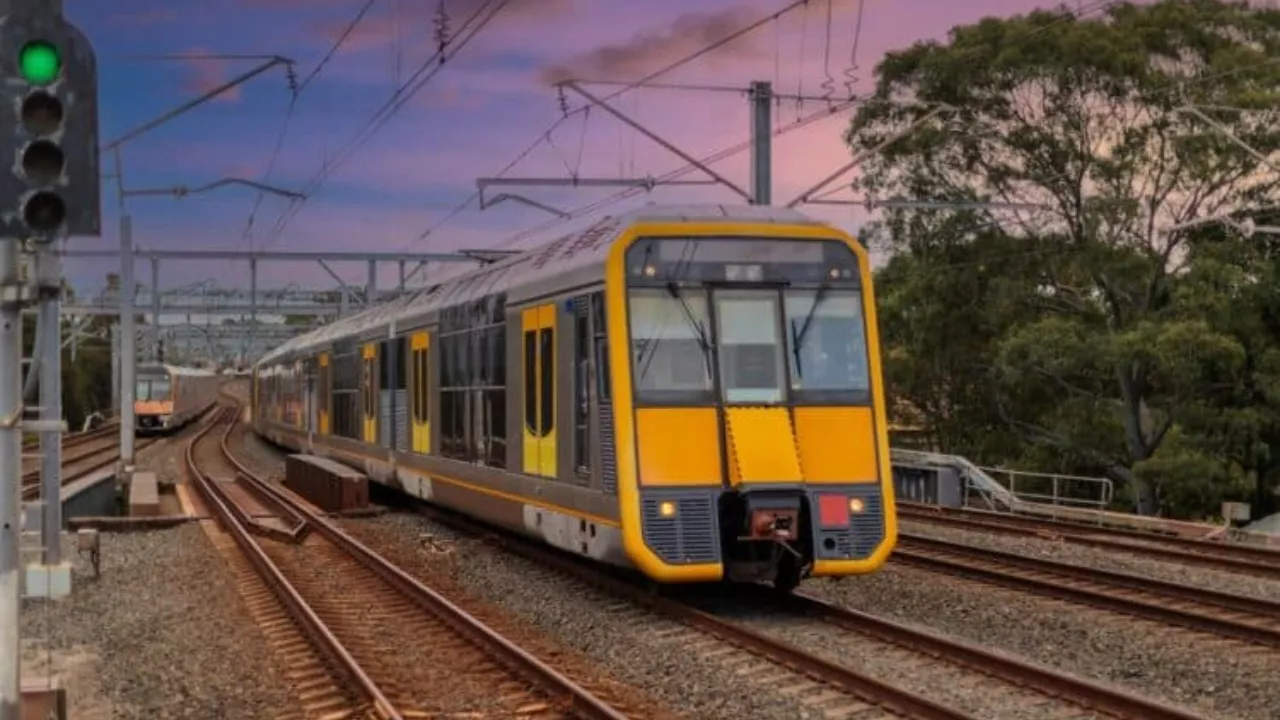
Hunter train manufacturing is coming back. The New South Wales Government has committed $12 billion over 15 years to build a state-owned train factory in the Hunter. The first job will be replacing the ageing Tangara fleet. However, a bigger question sits behind the new factory. Who will own the skills, designs and production knowledge once the trains start rolling out?
Why Hunter Train Manufacturing Is Back on the Agenda
The Hunter has built trains for more than a century. Newcastle firm Goninan, founded in 1899, built the Tangara trains at Broadmeadow between 1986 and 1998. Later, the Millennium fleet was assembled at Cardiff. That run ended in 2012, when the last locally built train left Broadmeadow. After that, new fleets were ordered from Spain, China and South Korea. Even Newcastle’s light rail uses six CAF Urbos trams shipped from Spain before the line opened in 2019.
Now the state wants that capability back. In late September 2026, Transport for NSW opened an expression of interest (EOI) for manufacturers to design and build the next suburban fleet. The EOI closes on 10 November. It is an early procurement step, not a contract. Even so, it marks the first real move in the government’s Future Fleet Program.
Teralba, Broadmeadow and the Future Fleet Timeline
In October, a former coal mine at Teralba in Lake Macquarie became the preferred site for the factory. Meanwhile, the Broadmeadow Locomotive Depot remains a backup option while land acquisition and checks continue. The government expects the plant to support a pipeline of work lasting more than 30 years.
| Fleet | Current role | Planned replacement | Built where (original) |
|---|---|---|---|
| Tangara | About 25% of Sydney Trains’ suburban fleet, in service since 1988 | Early 2030s | Broadmeadow, Hunter |
| Millennium | Suburban services | 2040s | Cardiff, Hunter |
| OSCAR | Intercity and outer suburban | 2040s | Overseas |
| Waratah | Suburban services | 2050s | Overseas |
Key numbers behind the program include:
- $12 billion committed over 15 years
- 50% local content required for rolling stock contracts
- Up to 780 construction jobs and around 550 ongoing roles
- 100 newly qualified workers and 20 apprentices already on the Tangara Life Extension Program at Cardiff
The Hidden Risk: Losing Rail Manufacturing Knowledge
A factory alone does not guarantee independence. This is the central point raised by Dassault Systèmes Australia in its pitch for the project. When a production line closes, the people who understand weld sequences, fixtures and supplier networks often move on. As a result, that knowledge walks out the door with them.
The Hunter has already lived through this once. When local building stopped, much of the practical know-how faded too. Therefore, a state-owned factory could still end up dependent on outside firms if the design and production data sits with a private supplier. In other words, owning the building is not the same as owning the knowledge.
How a Digital Backbone Could Protect Hunter Rail Skills
Dassault Systèmes argues that the answer is a digital “thread” held by the state. This would link every stage of production, from the bill of materials to the final as-built record. Its DELMIA manufacturing software is one tool it puts forward for the job. Mysore, speaking for the company, said the same discipline should apply when the factory floor itself is laid out at Teralba or Broadmeadow.
There is also a practical advantage. A brand-new factory has no old system to migrate. Consequently, it could start with a single connected record from day one. That said, the company admits its strongest rail references are in engineering and design. Running full factory execution on its platform would still need to be proven in practice.
What This Means for the Hunter Region
For the Hunter, the stakes are clear. A steady 30-year workload could rebuild apprenticeships, supplier chains and specialist trades. Furthermore, a state-held knowledge base would help those skills survive future contract changes. If both pieces come together, the region would gain more than jobs. It would regain long-term control over how NSW builds its trains.