 NK Mehta
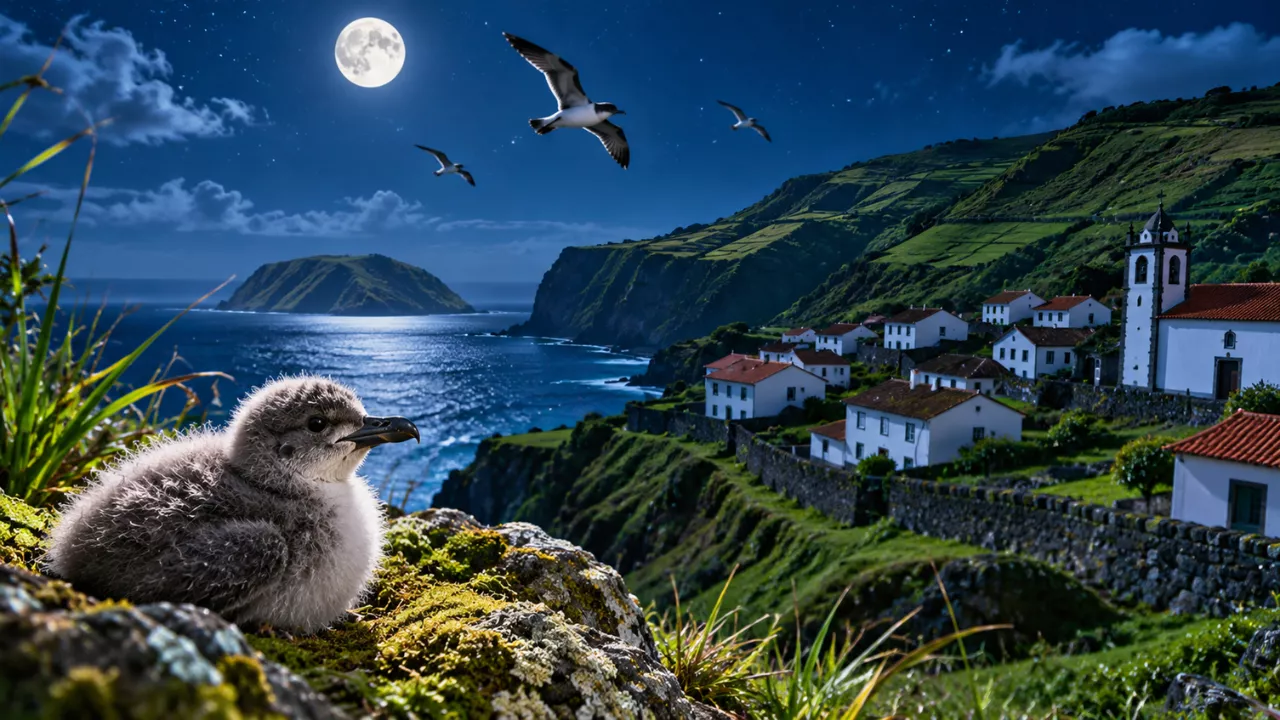
On most nights, a village’s streetlights feel like a comfort. On Corvo Island, however, they can be deadly for one special bird. Every autumn, the people of this tiny Portuguese island switch off their public lights for five nights. The goal is simple. They want young Cory’s shearwaters to find their way to the ocean on their very first flight.
The Corvo Island lights out tradition has become a quiet symbol of how a small community can protect wildlife. Moreover, it forms part of a wider Azores rescue effort that has saved more than 30,000 fledglings since 2015.
Where Is Corvo Island and Why Does It Matter?
Corvo is the smallest island in the Azores, Portugal’s Atlantic archipelago. Only around 400 to 450 people live there, almost all in a single village. Because the village is the island’s only real source of artificial light, one decision by residents can change the whole night sky.
The island is also a UNESCO Biosphere Reserve. In addition, it hosts an important breeding colony of Cory’s shearwaters, known locally as cagarros. For many visitors, the birds’ eerie calls at night are as memorable as the volcanic landscape itself.
Why Artificial Light Confuses Young Shearwaters
Cory’s shearwaters nest in burrows and rock crevices. A chick spends roughly three months in its nest before it is ready to fly. When that moment comes, usually in late October or early November, it leaves at night.
Scientists believe young birds use natural light from the moon and stars, reflected on the sea, to guide them. Streetlights and bright buildings disrupt this cue. As a result, many fledglings fly toward land instead of the water. They then crash or land on roads, where they cannot easily take off again.
Grounded birds face several dangers:
- Being hit by cars on village roads
- Attacks from cats, dogs and rats
- Dehydration and exhaustion before morning
- Missing their only good chance to reach open sea
Seabirds are already one of the most threatened bird groups in the world. For that reason, even a small rise in early deaths can matter for future colonies.
How the Corvo Island Lights Out Campaign Works
Corvo’s response is straightforward but powerful. During the peak fledging period, the municipality switches off public lighting for five nights. Residents are also encouraged to dim or turn off outdoor lights at home.
Since 2019, Corvo has been the only island in the region to run a complete public lighting blackout every autumn. Meanwhile, local people walk the village at night looking for stranded chicks. When they find one, they place it in a box and release it near the shore once it is safe.
| Key Fact | Details |
|---|---|
| Location | Corvo, smallest island of the Azores, Portugal |
| Population | Around 400–450 residents |
| Protected species | Cory’s shearwater (Calonectris borealis), or cagarro |
| Blackout length | Five nights each autumn |
| Timing | Peak fledging season, usually late October to early November |
| Full blackout since | 2019 |
| Wider rescue campaign | SOS Cagarro across the Azores |
| Fledglings saved since 2015 | More than 30,000 across the archipelago |
The Wider SOS Cagarro Rescue Across the Azores
Corvo is not acting alone. Across all nine Azorean islands, the SOS Cagarro campaign mobilises volunteers, schools, local councils and bird experts. The Portuguese Society for the Study of Birds (SPEA) has supported the work for years. Similar efforts now run on Madeira and the Canary Islands too.
Volunteers follow a few basic steps when they find a grounded bird:
- Pick it up gently with a towel or cloth
- Place it in a ventilated cardboard box
- Keep it in a quiet, dark place
- Never feed it or give it water
- Contact the campaign team or release it at the coast as instructed
Thanks to this teamwork, more than 30,000 young shearwaters have been rescued since 2015. Each bird returned to the sea gets a real chance to grow, migrate and one day breed.
What the Rest of the World Can Learn From Corvo
Corvo shows that conservation does not always need huge budgets. Instead, it often needs timing, awareness and community spirit. Turning off lights for a few key nights costs little, yet the benefit for wildlife is immediate.
Researchers have also used the island to study light pollution itself. Sensors placed around Corvo measure how artificial light spreads into natural habitats. Consequently, the island has become a living laboratory for darker, smarter lighting policies.
Other coastal towns can follow a similar path. For example, they can use shielded, warmer lights, reduce lighting near nesting areas and plan short blackouts during fledging season. In the end, Corvo’s message is clear: a darker night can mean a brighter future for seabirds.
Frequently Asked Questions
Why does Corvo Island switch off its lights?
Corvo turns off public lights for five nights each autumn so young Cory’s shearwaters are not confused by artificial light and can fly safely to the ocean.
When does the Corvo lights out happen?
It usually takes place in late October or early November, during the peak period when shearwater chicks leave their nests.
What is SOS Cagarro?
SOS Cagarro is an Azores-wide campaign in which volunteers rescue grounded shearwater fledglings and return them to the sea.
What should I do if I find a grounded shearwater?
Gently place it in a ventilated box, keep it dark and quiet, avoid feeding it, and contact local rescue volunteers for release advice.