 NK Mehta
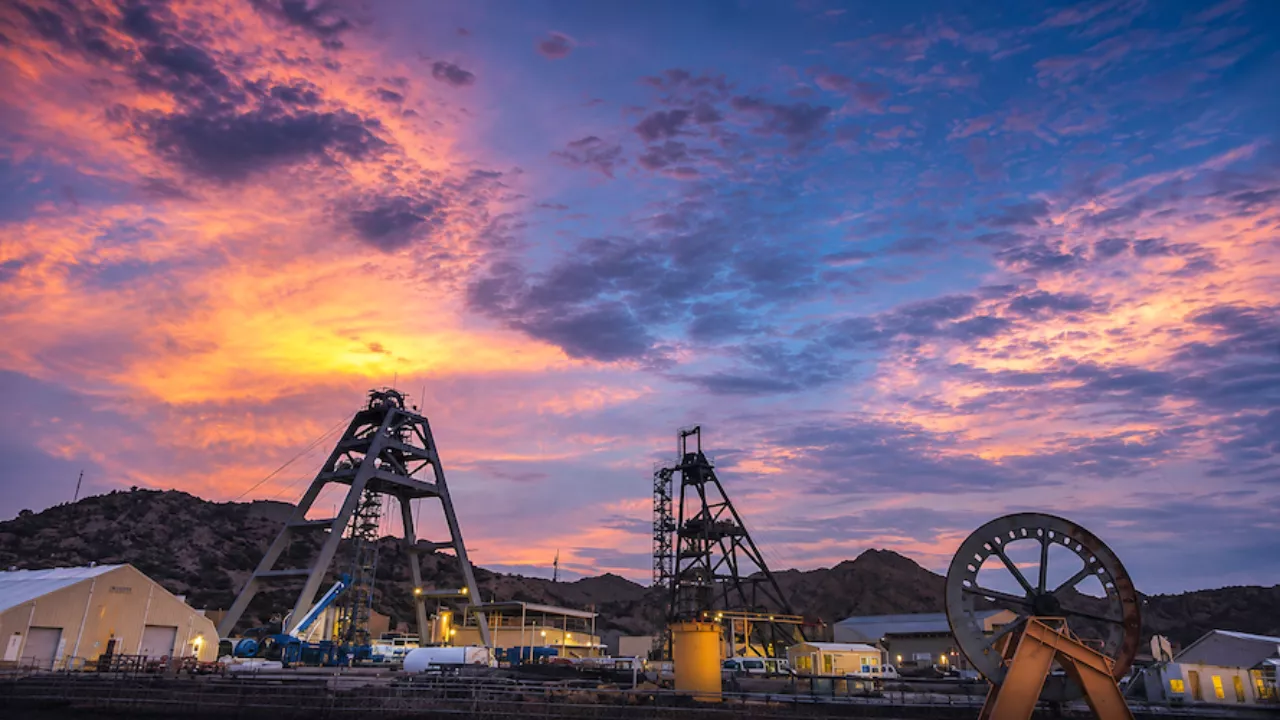
Rio Tinto has approved a fresh $144 million investment in Resolution Copper, its giant copper project in Arizona. The decision comes only months after the company secured control of the federal land it needs to build the mine. As a result, one of the largest undeveloped copper deposits in the United States is moving from courtroom debate toward real engineering work. However, the project still faces deep cultural opposition and years of technical challenges before any copper is produced.
What the $144 Million Resolution Copper Investment Covers
The new money is not for building the mine itself. Instead, it will fund feasibility studies and detailed engineering for mining equipment and water treatment facilities. In other words, this is the planning stage that decides how the mine will actually work underground. The partners also expect this next phase to add around 50 jobs.
Here is how the funding breaks down:
| Detail | Information |
|---|---|
| Total investment approved | $144 million |
| Rio Tinto contribution | $79 million (55% stake) |
| BHP contribution | About $65 million (45% stake) |
| Funding focus | Feasibility studies, equipment and water treatment engineering |
| New jobs expected | Around 50 |
| Previous contracts (August 2026) | About $110 million for exploration and underground development |
| Location | Near Superior, Arizona |
| Deposit depth | 5,000 to 7,000 feet (1,524 to 2,134 metres) |
| Estimated copper content | More than 40 billion lb (18.1 million tonnes) |
| Target opening | Mid-2030s, subject to studies and approvals |
Why Resolution Copper Matters for US Supply
Rio Tinto’s copper chief, Katie Jackson, said the project could meet up to a quarter of America’s copper needs for decades. She also pointed to stronger domestic supply chains and major economic gains for Arizona. Once running, the joint venture estimates the mine could support thousands of jobs and add roughly $1 billion a year to the state’s economy.
Timing plays a big role here. Copper demand is climbing because the metal is essential for:
- Power grids and transmission lines
- Electric vehicles and wider electrification
- Data centres and artificial intelligence infrastructure
Meanwhile, Washington is pushing to strengthen critical minerals supply at home. Therefore, a domestic source of this size carries strategic weight beyond Rio Tinto’s balance sheet.
The Oak Flat Dispute and Ongoing Legal Tensions
The funding follows a long legal fight over the transfer of federal land for the mine. At the centre of that fight is Oak Flat, a site the San Carlos Apache people consider sacred. Apache communities and other Native American groups argued that the project threatens their religious and cultural rights.
Although Rio Tinto now controls the acreage, the conflict has not disappeared. On the contrary, it remains one of the clearest examples of the tension between mineral development and Indigenous protections in the US. For readers following the story, this cultural dimension is just as important as the financial one.
Engineering Challenges at Extreme Depth
Beyond the legal history, the geology itself is demanding. The ore sits more than a mile underground, which means heavy infrastructure, extensive water management and large upfront spending. Consequently, the mid-2030s target depends on studies and approvals still to come.
How Copper Fits Rio Tinto’s Wider Strategy
Rio Tinto is best known as the world’s largest iron ore producer. Even so, it has been steadily building up its copper business. Strong copper results helped lift its half-year earnings in July, which shows how central the metal has become to its long-term plans. Moreover, the latest funding builds directly on the roughly $110 million in contracts Resolution Copper handed out in August.