 NK Mehta
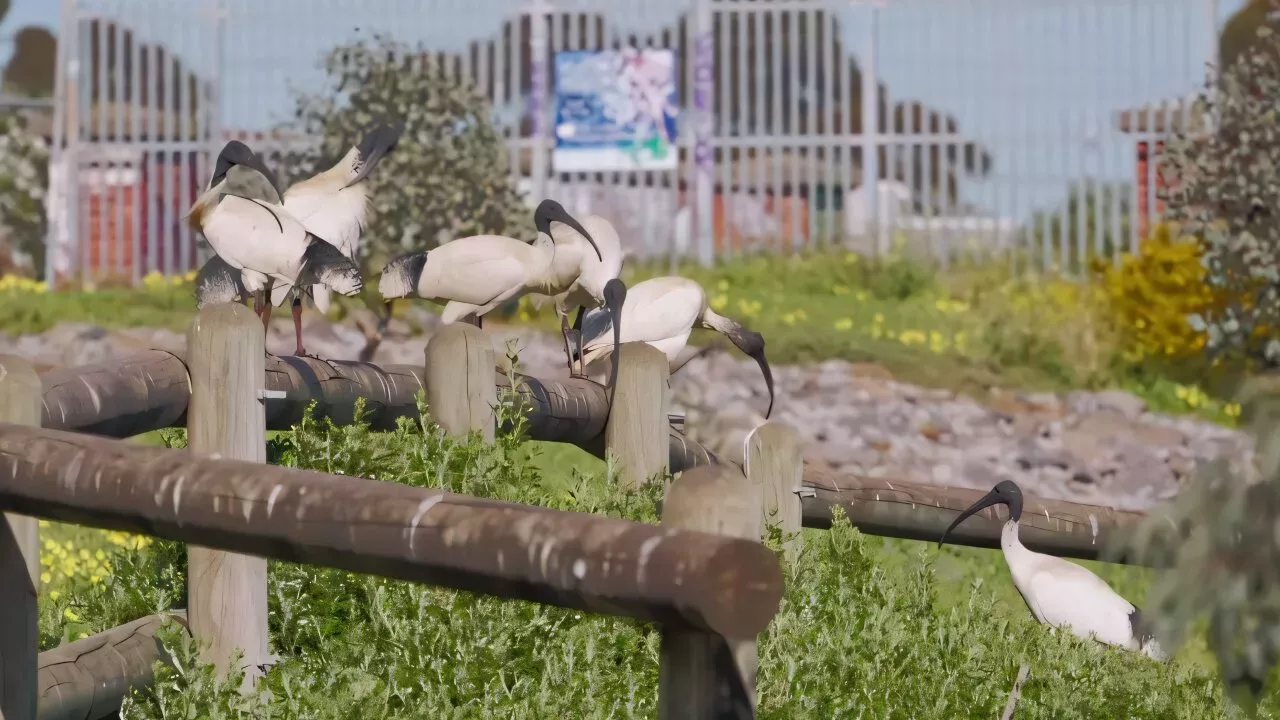
Most people picture city nature as parks, gardens and reserves with signs and mowed lawns. However, a new survey of a Melbourne informal green space suggests we’ve been missing a big part of the picture. Researchers spent four months studying a scruffy, unnamed patch of land. As a result, they found it full of life, including 45 animal species and more than 40 types of plants.
What Is an Informal Green Space?
An informal green space is any patch of greenery that isn’t a planned park or garden. Instead, it grows in the gaps that cities leave behind. Common examples include:
- Roadside verges and highway edges
- Utility easements and pipeline corridors
- Brownfields and former industrial land
- Vacant lots waiting for development
These spaces rarely get attention from planners. Even so, earlier research across Greater Melbourne suggested they can support native birds and plants about as well as formal parks do.
Inside the Overlooked Melbourne Patch
The study site covers roughly two hectares, or about 4.9 acres. At first glance, it looks far from inviting. Stormwater runs through a concrete drain and collects in a gravel-lined pond that gives off a faint smell. Meanwhile, traffic noise drifts in from a nearby highway, and planes fly low overhead.
Over four months, a mixed team of researchers, photographers and artists explored the site. Together, they mapped everything they could find, from animals and plants to the smaller life that most visitors would walk past.
Survey Results at a Glance
The numbers show how much life a single neglected patch can hold.
| Survey Detail | Finding |
|---|---|
| Site size | About 2 hectares (4.9 acres) |
| Survey length | Four months |
| Survey team | Researchers, photographers and artists |
| Animal species found | 45 |
| Plant types found | More than 40 |
| Other life recorded | Several mosses, lichens and fungi |
| Biodiversity records before survey | 8 |
| Biodiversity records after survey | More than 200 |
In other words, the site went from almost invisible in official records to one of the better-documented small patches around. That jump alone shows how little we know about these places.
How Human-Made Structures Helped Wildlife
Surprisingly, the concrete and stormwater didn’t ruin the site for wildlife. In fact, the researchers found that built structures added habitat and supported natural processes. For example, overflow from the stormwater pond spills down to a creek below. Over time, this created an artificial rocky spring. Consequently, animals and plants can now move between the two water bodies.
The plant life was just as mixed. Typical urban weeds and introduced species grew alongside a surprising range of natives. Together, they formed what ecologists call a novel ecosystem. Put simply, it’s a new kind of habitat shaped by both nature and people.
Why This Matters for Urban Biodiversity
This patch is not unusual. On the contrary, the researchers say Melbourne has hundreds of similar sites. Because so few are surveyed, their value often goes unnoticed when land is cleared or redeveloped.
For city planners, the lesson is clear. Protecting urban biodiversity doesn’t only mean building new parks. It also means recognising the wild edges that already exist. Likewise, residents can play a part by noticing and recording the life in their local vacant lots and roadsides.
Frequently Asked Questions
What did the Melbourne green space survey find?
The survey recorded 45 animal species, more than 40 plant types, and several mosses, lichens and fungi on a two-hectare site.
What counts as an informal green space?
It’s any green area that isn’t a planned park or garden. Examples include roadsides, vacant lots, brownfields and utility corridors.
Can stormwater drains really help wildlife?
Yes, in this case. Overflow from the site’s stormwater pond formed a rocky spring that linked it to a nearby creek.
Why are these spaces often overlooked?
They’re rarely surveyed or managed. Before this study, the site had only eight biodiversity records.