 NK Mehta
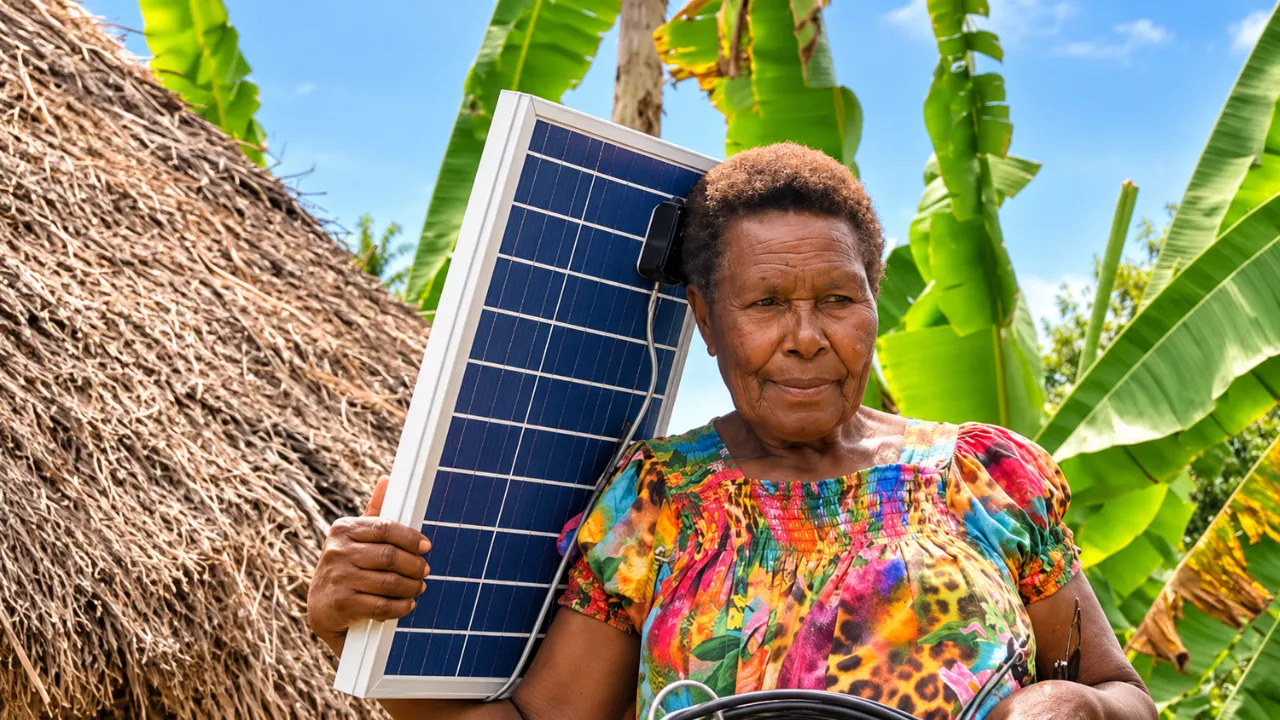
In many remote African villages, nightfall used to mean darkness, smoke, and the smell of kerosene. Today, many of those homes glow with clean solar light. The surprising part is who installed it. African grandmothers trained as solar engineers at an Indian college are behind this change, and most of them have never been to school.
Their story starts in Tilonia, a small village in Rajasthan’s Ajmer district. Here, Barefoot College has spent decades proving that formal education is not the only path to technical skill. As a result, more than 1,700 women from 96 countries have become solar engineers. Together, they have electrified over 75,000 homes.
How Barefoot College Trains African Grandmothers as Solar Engineers
Barefoot College was founded by social activist Sanjit “Bunker” Roy in the early 1970s. Its core belief is simple. Rural people already hold valuable knowledge, so they should not depend on outside experts.
The solar programme follows that idea closely. Women spend about six months in Tilonia. During that time, they learn to build, install, and repair household solar lighting systems. However, the classroom looks nothing like a typical engineering school.
- No reading required: Lessons rely on sign language, gestures, and hands-on practice.
- Colour coding: Wires and parts are identified by colour instead of written labels.
- Peer teachers: Many instructors are themselves rural women who once trained the same way.
- Learning by doing: Trainees assemble real lamps, charge controllers, and panels from day one.
Language barriers are common, since trainees arrive speaking many different tongues. Even so, the visual method lets a woman from Malawi and a woman from Bolivia learn side by side.
Why Grandmothers, and Not Young Graduates?
At first, choosing older women can seem unusual. Yet the reasoning is practical. Younger trainees with new skills often move to cities for better pay. In contrast, grandmothers tend to stay rooted in their villages.
Communities usually select the women themselves. Because of this, each trainee returns home with local trust and a clear duty. After graduation, she installs solar units in her village and maintains them, often for several years.
This approach also shifts social status. In some rural societies, older women are overlooked once their child-rearing years end. Now, they are called “engineers” and seen as role models.
Key Facts About the Solar Mamas Programme
The table below sums up the programme’s reach, based on figures reported by Barefoot College.
| Detail | Information |
|---|---|
| Organisation | Barefoot College, Tilonia, Rajasthan, India |
| Founder | Sanjit “Bunker” Roy |
| First international trainee | 2000 |
| Training duration | About 6 months |
| Women trained | 1,700+ |
| Countries covered | 96 (plus 15 Indian states) |
| Villages electrified | 1,500+ |
| Homes lit with solar power | 75,000+ |
| Kerosene saved | Around 30,000 litres per month |
| Main funding support | Government of India’s ITEC programme |
India’s Role in Global Solar Cooperation
The Indian government has backed the programme through its Indian Technical and Economic Cooperation (ITEC) scheme. This support covers travel and training costs for many international participants. Consequently, women from some of the world’s least developed countries can attend without paying.
For India, the programme has become a quiet but powerful form of diplomacy. Instead of large infrastructure deals, it shares practical skills directly with rural families. Moreover, it builds lasting goodwill between India and Africa.
The Real-World Impact on Village Life
Solar light changes daily routines in clear ways. Children can study after dark. Mothers cook safely without smoky lamps. Small shops stay open longer. In addition, families save money they once spent on kerosene and batteries.
There are health and climate benefits, too. Kerosene lamps release harmful fumes indoors and add to carbon emissions. Replacing them improves air quality and cuts pollution at the same time.
Perhaps the biggest change is confidence. Women who once had no formal role in village decisions now manage energy systems. Furthermore, many go on to train other women, so the skill keeps spreading long after they leave India.
Lessons From the Barefoot Model
The success of these African grandmothers as solar engineers challenges common ideas about expertise. It shows that literacy is not the same as intelligence. Similarly, it shows that clean energy access does not always need big budgets or foreign contractors.
For development experts, the model offers a clear lesson. Trust local people, teach in ways they understand, and give them ownership. When those conditions meet, even the most remote village can light itself up.
Frequently Asked Questions
1. Who are the African solar grandmothers?
They are rural women, many of them grandmothers, who trained at Barefoot College in India to become solar engineers. Most had little or no formal schooling before training.
2. How do women who cannot read learn solar engineering?
Trainers use sign language, colour-coded parts, and hands-on practice. This visual method removes the need for reading or a shared language.
3. How long does the Barefoot College solar training take?
The programme lasts about six months. Afterwards, the women return home to install and maintain solar systems in their villages.
4. How many homes have the solar grandmothers electrified?
According to Barefoot College, its trained women solar engineers have brought electricity to more than 75,000 homes across over 1,500 villages worldwide.