 NK Mehta
The long-awaited Western Highway upgrade is finally moving into its next big phase. Major construction on the stretch between Buangor and Ararat in western Victoria is starting this November. For locals, truck drivers and holiday traffic, this is news many have waited years to hear.
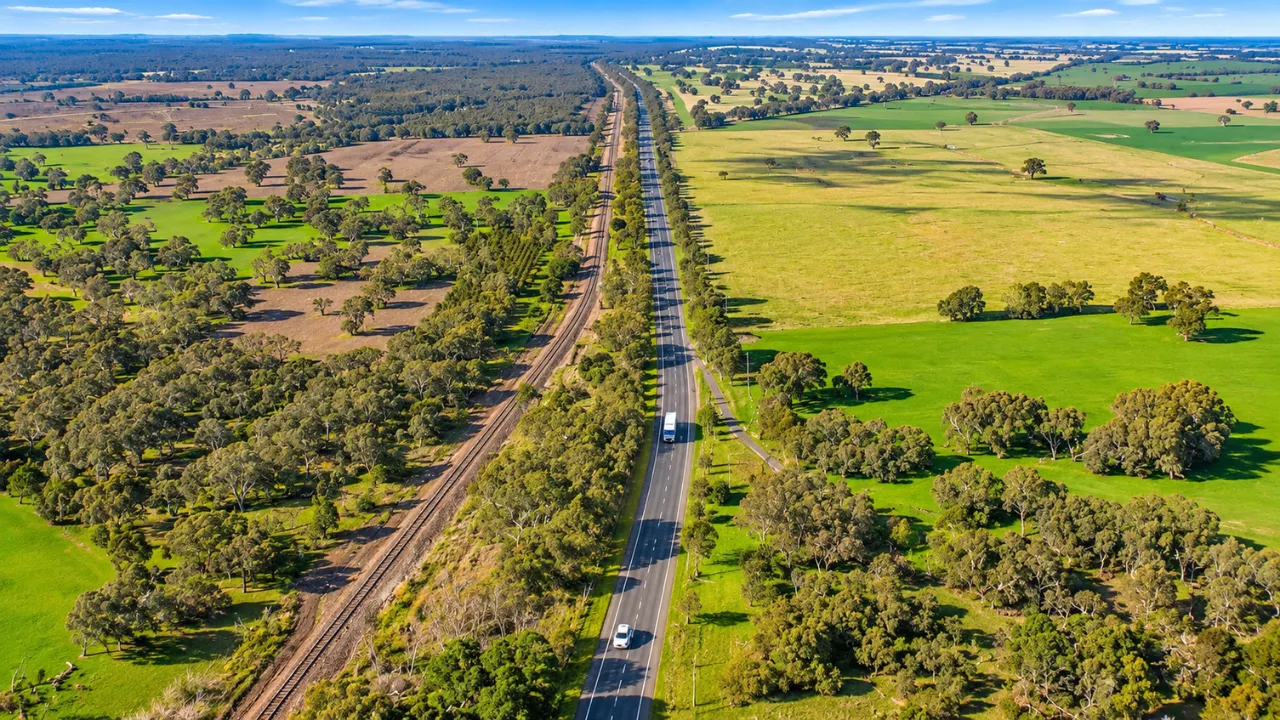
The almost 12-kilometre section is currently one lane in each direction. As a result, drivers have few safe places to overtake slower vehicles. Once finished, the road will have two lanes each way, a centre median and new safety barriers.
Why the Western Highway Upgrade Matters
The Western Highway is one of the busiest undivided national highways in Australia. It links Melbourne with Adelaide and carries a large share of freight, farm produce and tourist traffic through western Victoria. However, the single-lane section near Ararat has long been a weak point in the corridor.
Safety is the main reason for the work. Between Ballarat and Stawell, the highway recorded 158 crashes and 22 deaths in the 10 years to March 2026. In other words, this is not simply about saving a few minutes. It is about reducing head-on collisions and risky overtaking on a road that many people use every day.
Funding and Project Timeline
The project gained fresh momentum after the 2026/27 state and federal budgets. Together, the two governments committed an extra $446 million to make sure the Buangor–Ararat section gets built. This brings total investment across the wider upgrade to around $1.17 billion.
| Detail | Information |
|---|---|
| Project section | Buangor to Ararat (Section 2B) |
| Length | Almost 12 km |
| Total program investment | About $1.17 billion |
| Australian Government share | $970.9 million |
| Victorian Government share | $195.8 million |
| New funding in 2026/27 budgets | $446 million ($372.5m federal, $73.5m state) |
| Major construction start | November 2026 |
| Expected completion | Mid-2029 |
What the Upgrade Will Include
The design has been updated to make the road both safer and more efficient. Early works are already underway, and they are clearing the way for major earthworks. Key features include:
- One extra lane in each direction along the full section
- New centre medians to separate opposing traffic
- Safety barriers to reduce the impact of run-off-road crashes
- Safer overtaking for cars stuck behind heavy vehicles
A Long Road to Construction
This section has faced years of delays. The stretch between Ballarat and Buangor was duplicated earlier, but the Ararat end stalled during planning and approvals. The project went through a full independent Environment Effects Statement process before reaching this point.
Political leaders on both sides of the funding deal have openly admitted the work is overdue. Federal Infrastructure Minister Catherine King described the road as dangerous and said it was time to finish the job after so much waiting. Meanwhile, Ripon MP Martha Haylett said the upgrade is the top priority for the Ararat community.
What Drivers Can Expect During Works
Major construction on a busy highway usually brings some disruption. Therefore, drivers should plan for changed traffic conditions over the next few years. Based on how similar Victorian road projects are run, motorists can generally expect:
- Reduced speed limits through active work zones
- Occasional lane changes or traffic switches
- Increased truck movements near construction sites
- Extra travel time during peak works periods
Before travelling, it is wise to check the latest traffic updates. This is especially true for freight operators running tight schedules between Melbourne and Adelaide.
Frequently Asked Questions
When will the Buangor–Ararat Western Highway upgrade be finished?
All works are expected to be completed by mid-2029.
How much does the Western Highway upgrade cost?
Total investment across the upgrade is about $1.17 billion, funded jointly by the federal and Victorian governments.
How long is the section being upgraded?
The Buangor to Ararat section is almost 12 kilometres long.
What safety improvements are included?
The road will gain an extra lane each way, a centre median and new safety barriers, making overtaking much safer.